
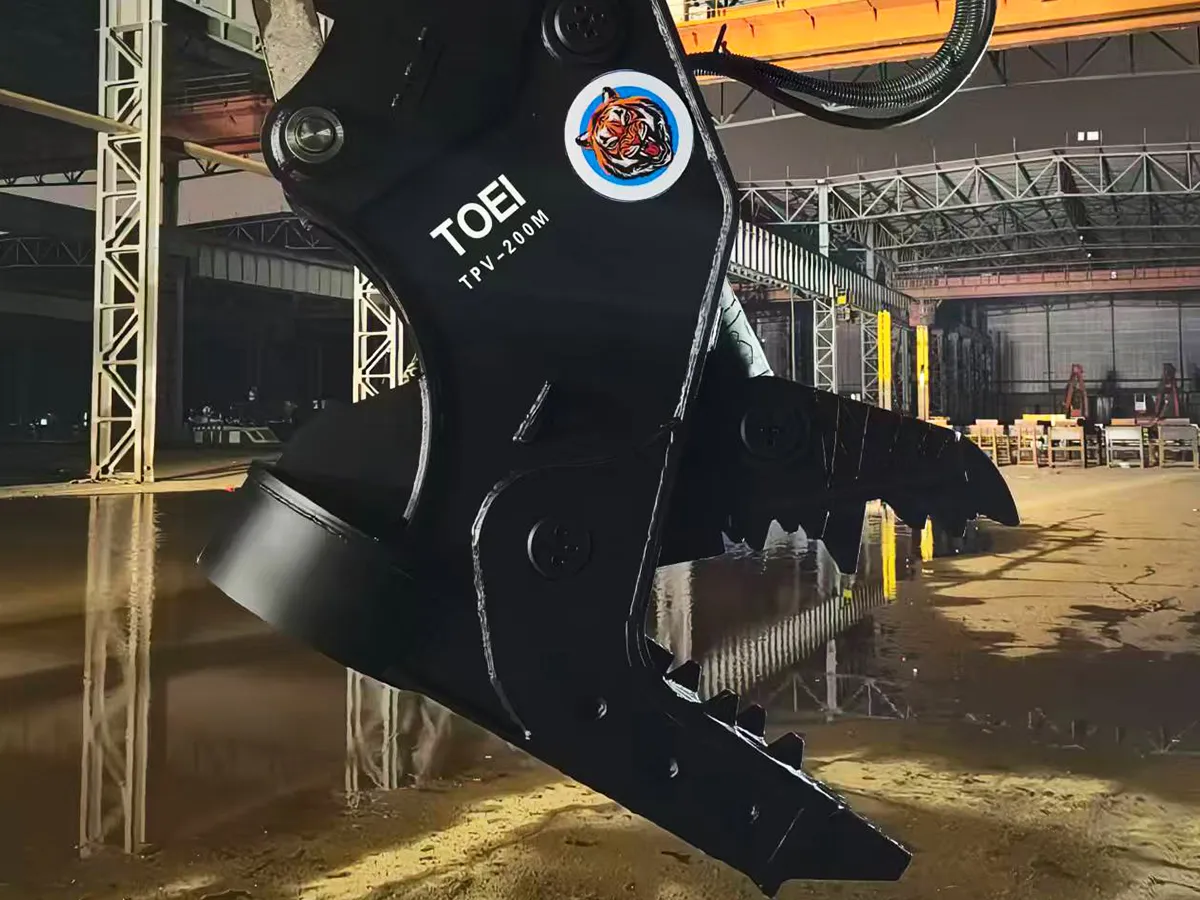
Hydraulic Pulverizers TPV Series
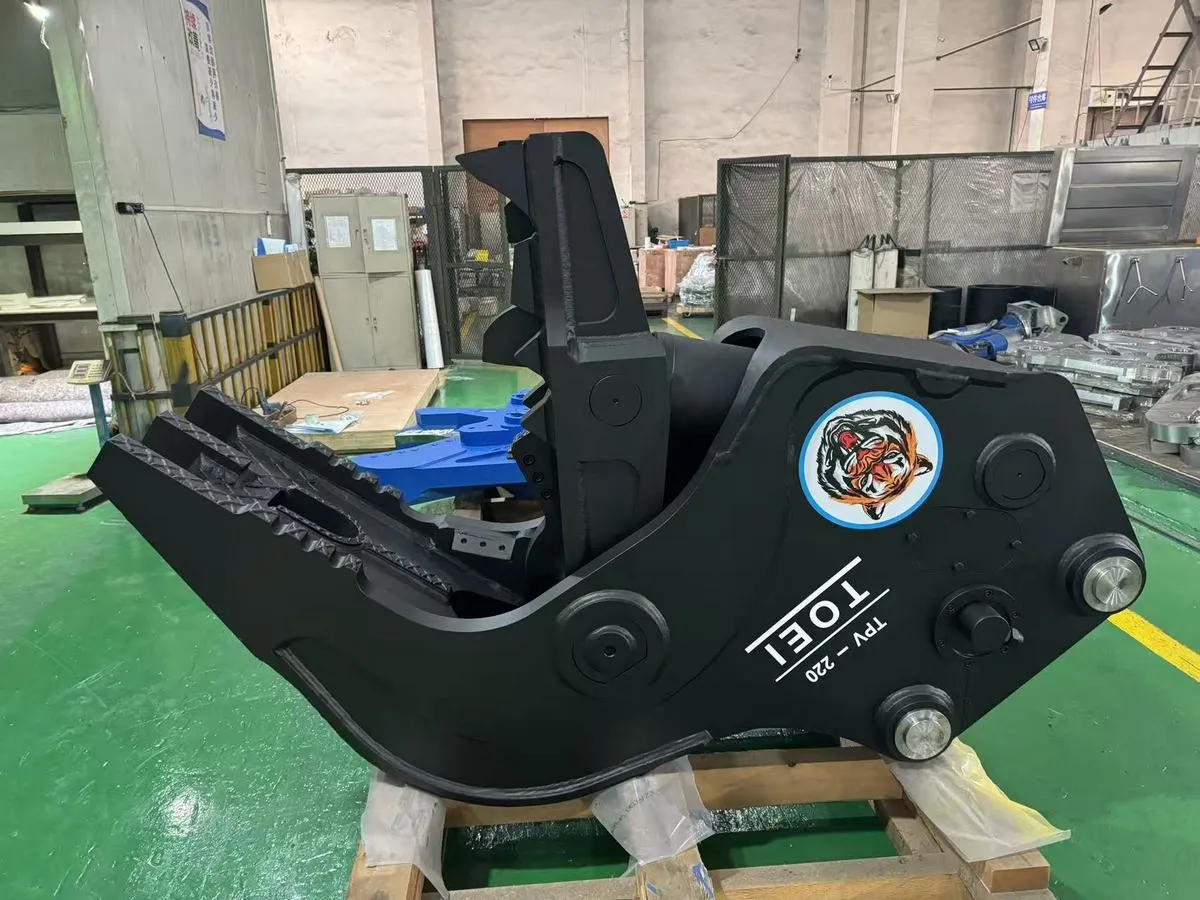
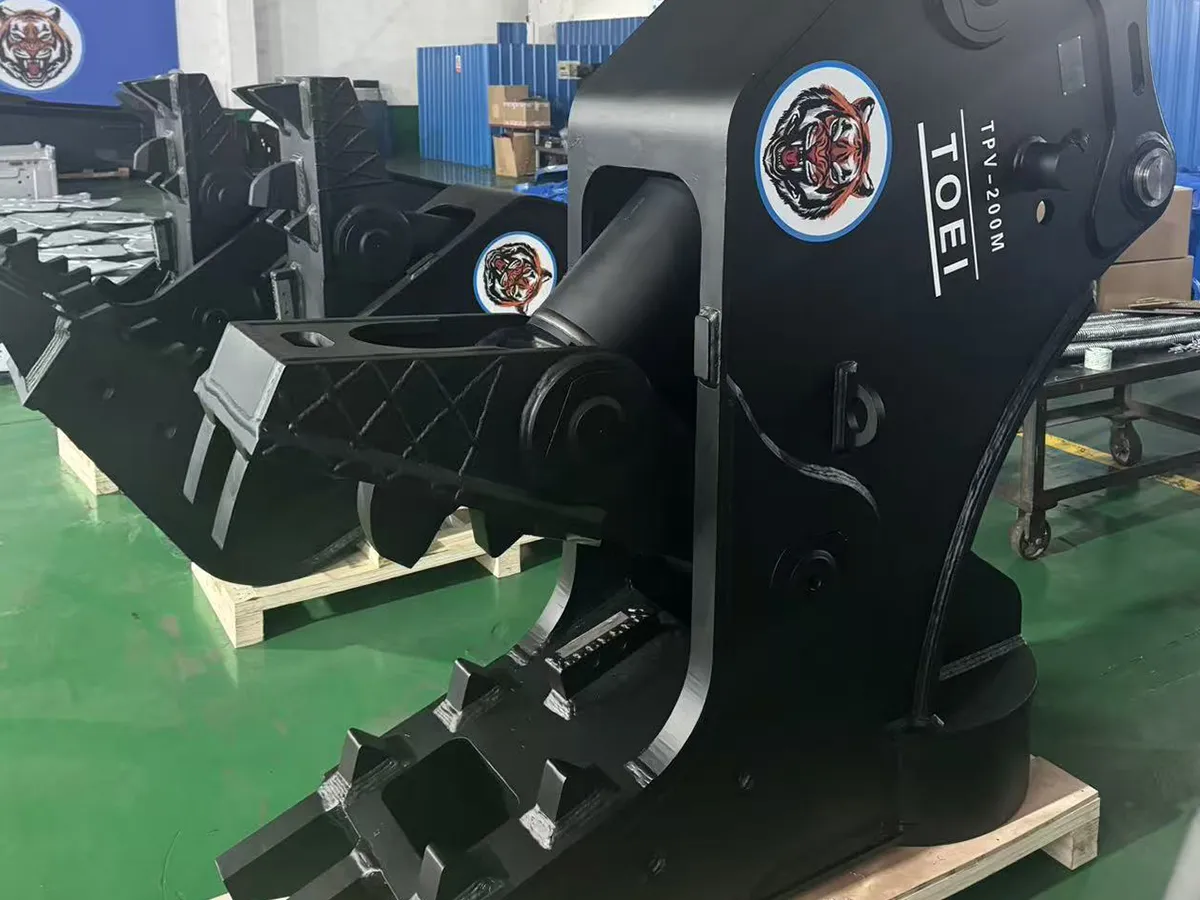
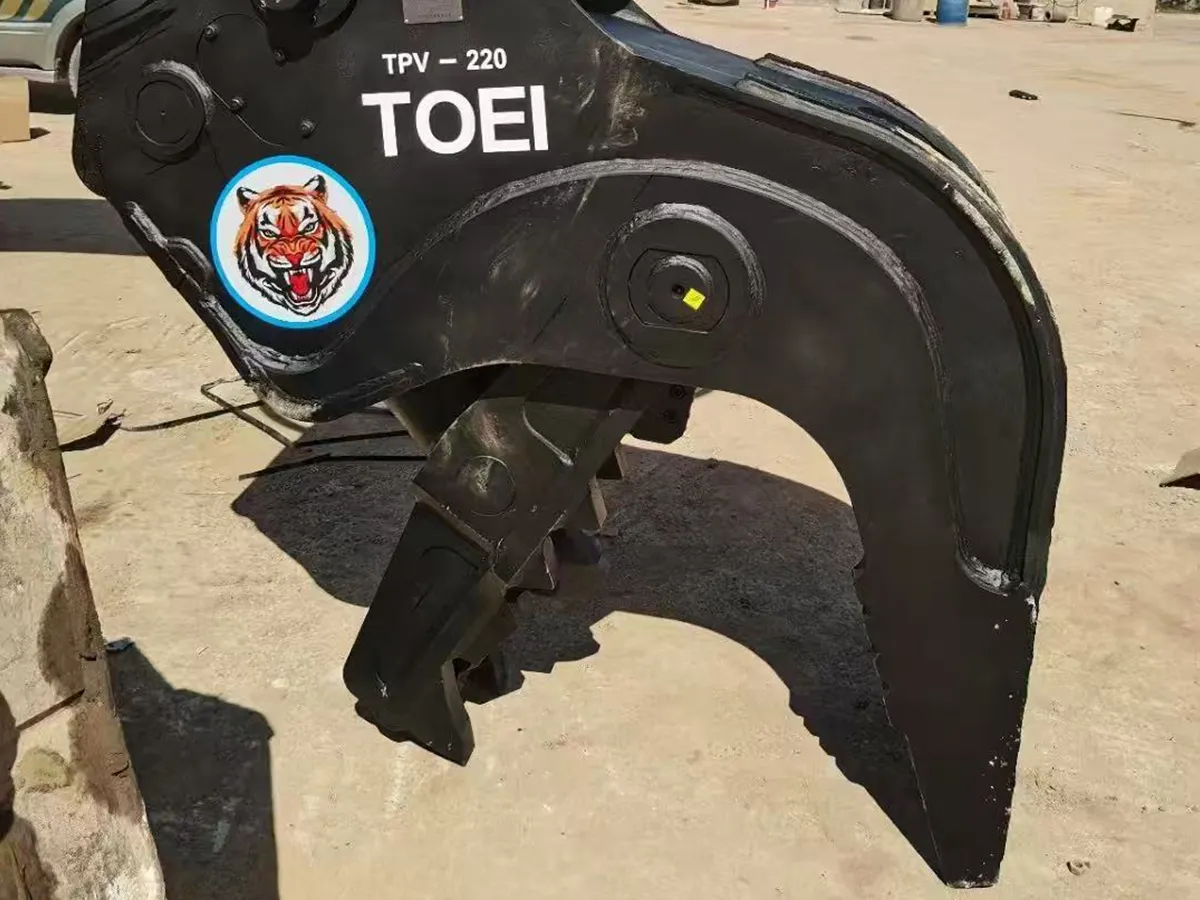
Concrete pulverizer used in secondary demolition for pulverizing reinforced concrete and separating rebarThe TPV series hydraulic pulverizer is mounted on 20 to 32 tons excavators, built for secondary demolition, deep pulverizing of high-strength concrete blocks, and stripping scrap rebar.
At urban renewal and construction waste sites, traditional demolition methods run into strict noise and vibration limits, and concrete mixed with rebar drives up transport costs and slows manual sorting. The TPV pulverizer uses static crushing instead, using hydraulic cylinders to crush large concrete blocks and strip out the rebar inside.
- Crushing and demolition of buildings and infrastructure, including rebar stripping and recovery from the crushed material
- Concrete structure demolition and material separation for recycling
| Model | Weight | Overall Length | Height | Max Opening Width | Blade Length | Working Pressure | Recommended Excavator Weight | Magnetic Disc |
| kg | mm | mm | mm | mm | MPa | ton | ||
| |
1600 | 2027 | 1644 | 840 | 150 | 31.5 | 20-22 | × |
| |
1950 | 2027 | 1644 | 840 | 150 | 31.5 | 20-22 | √ |
| |
1860 | 1925 | 1644 | 860 | 260 | 31.5 | 30-32 | × |
| |
2880 | 2160 | 1644 | 1014 | 200 | 31.5 | 30-32 | × |
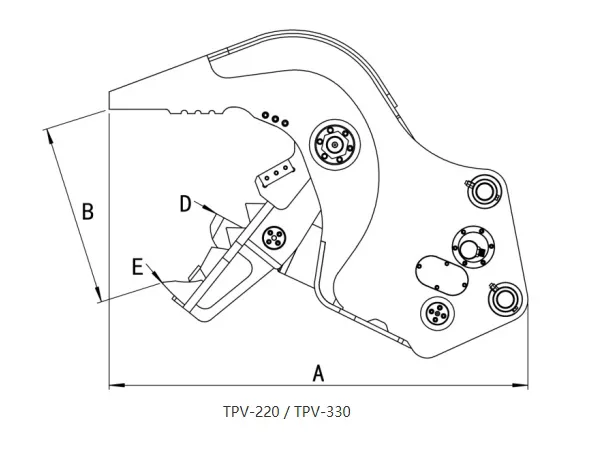
-
The jaw tips are made of special forged steel for durability and reliability, with high impact toughness that prevents tip fracture when engaging high-strength stone or hard material.
-
An inverted cylinder layout lets the piston rod retract fully into the equipment's high-strength steel housing during operation. This shields the rod from falling concrete debris, reducing the risk of seal damage and oil leaks.
-
Customers can opt for a smaller-bore cylinder to reduce pulverizer weight for lighter-duty applications.
-
Blades are reversible on all four sides. When one edge wears, the operator removes the bolts, flips the blade, and reuses it. A full change takes about 15 minutes on site.
-
All hydraulic hoses and valve blocks run inside the cast steel frame, protecting them from rubbing or snagging on sharp rebar and reducing equipment downtime for repairs.