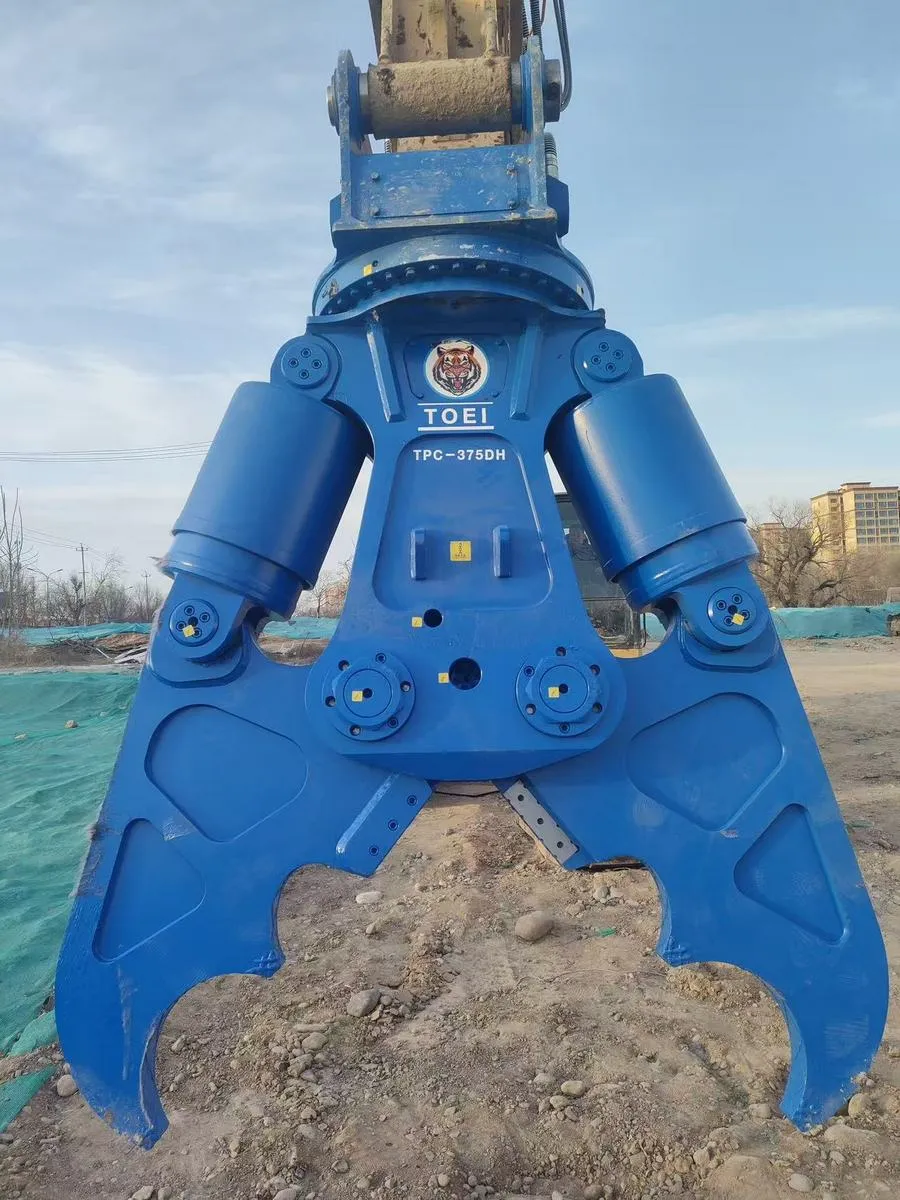
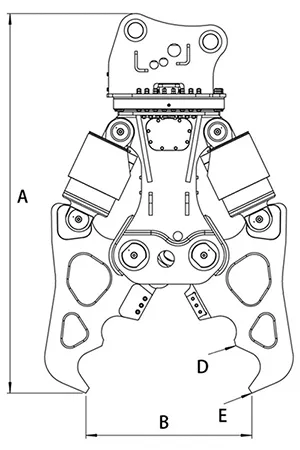
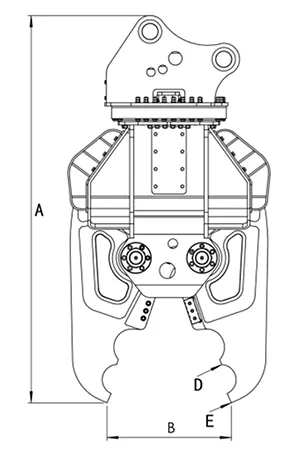
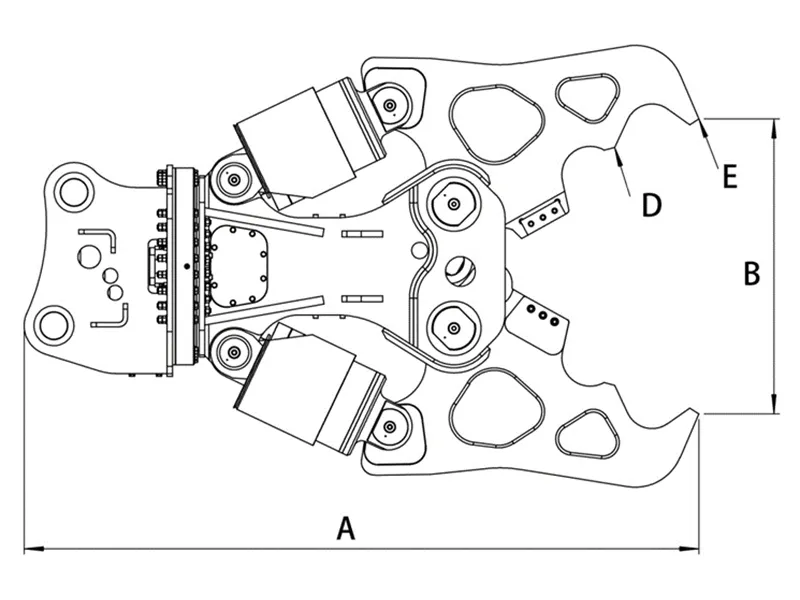
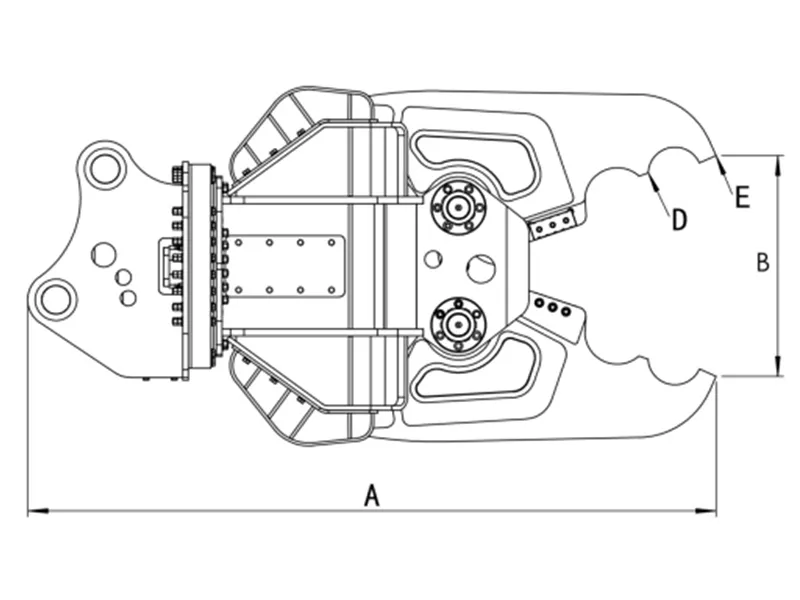
Demolition Crushers / Concrete Processors TPC Series
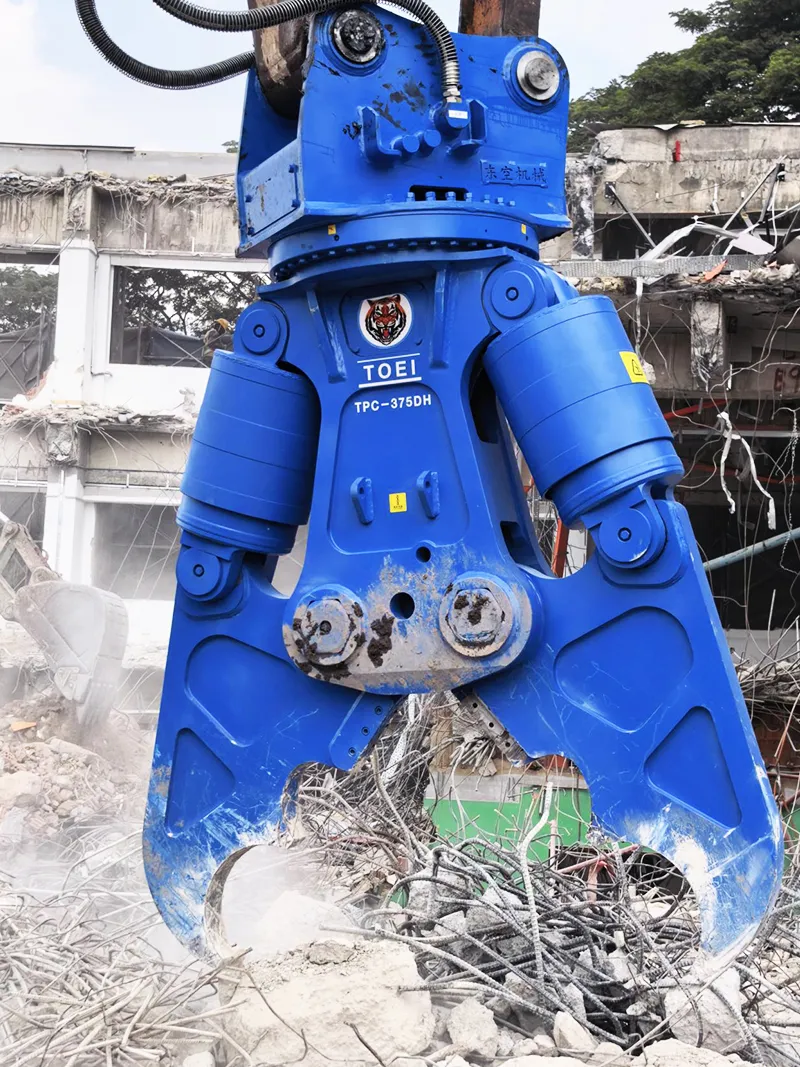
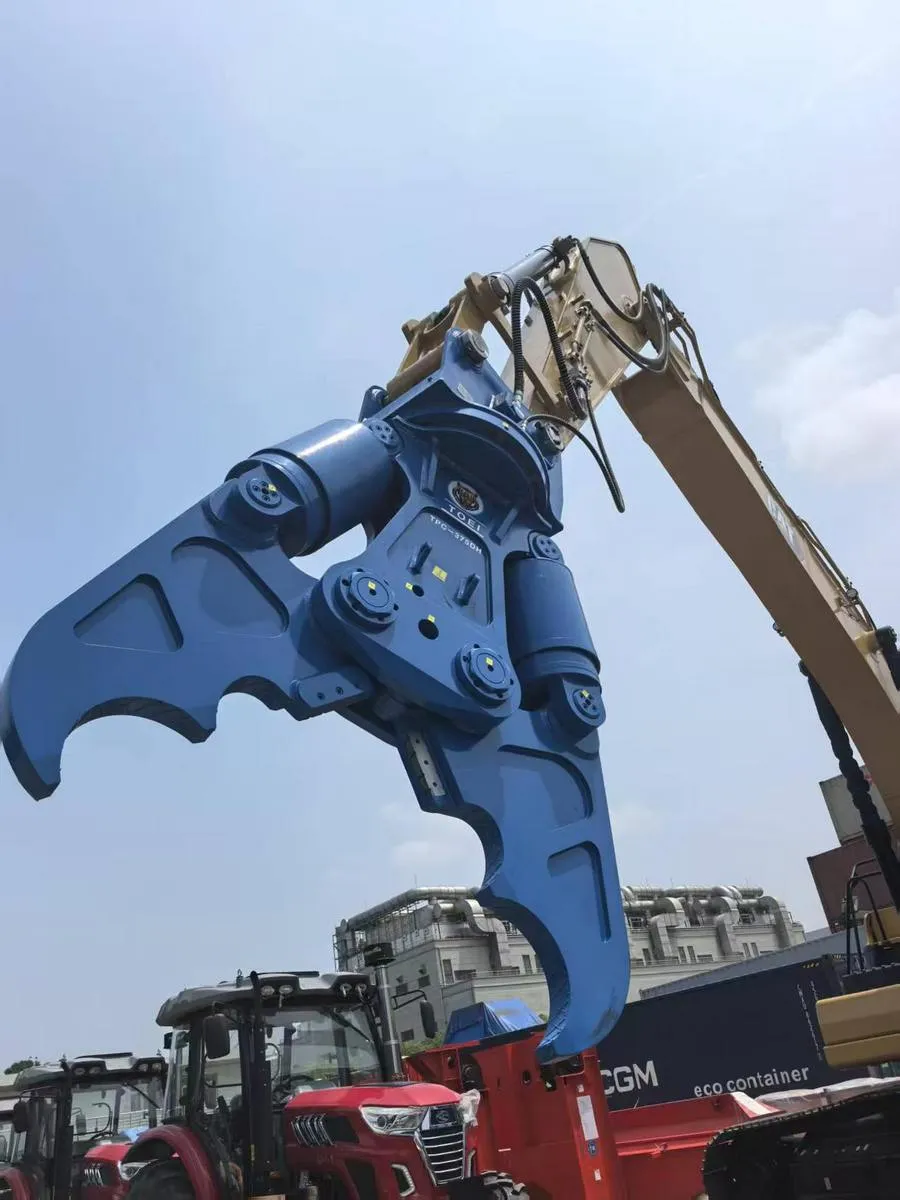
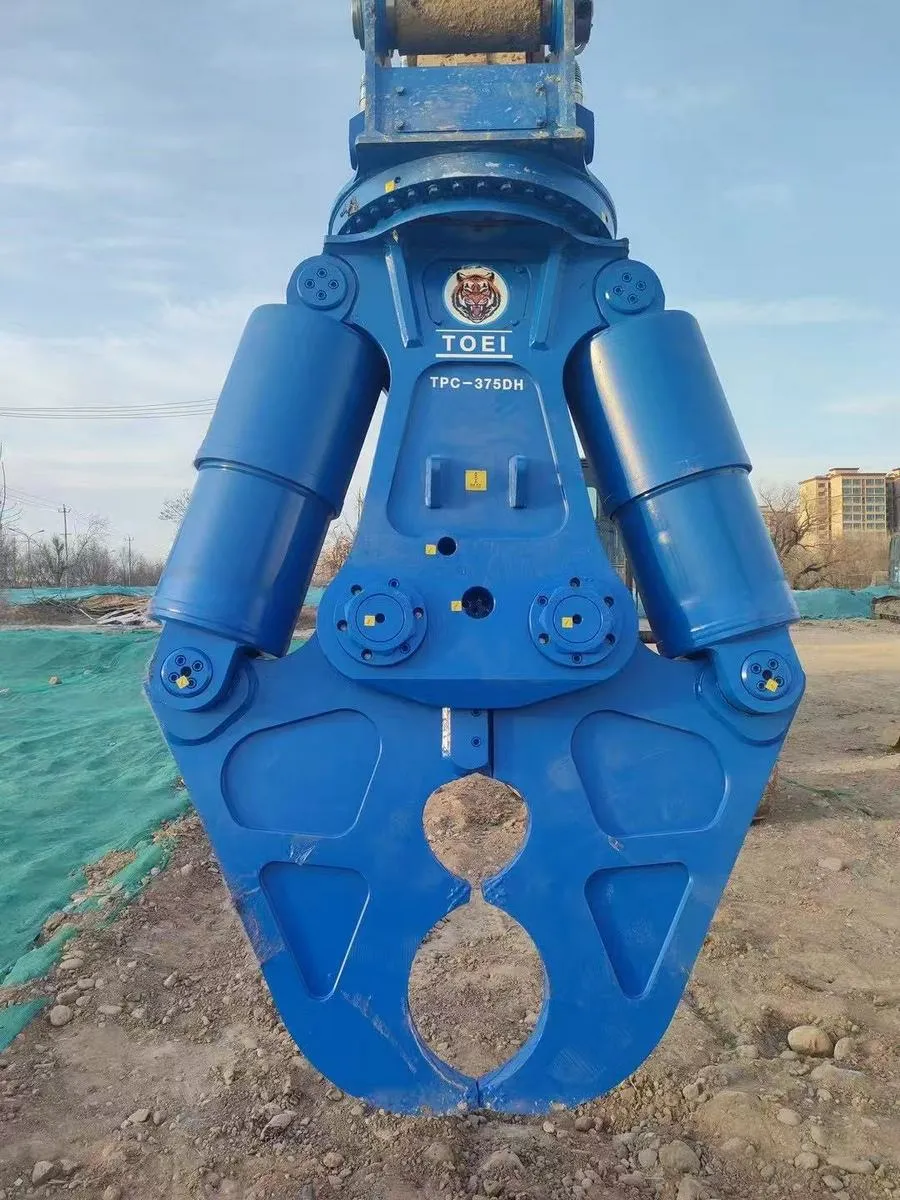
Multi-jaw demolition tool used in primary demolition to dismantle reinforced concrete structures
Demolition crushers from Toku are a heavy-duty attachment mounted on excavators, built for reinforced concrete demolition, high-rise dismantling, bridge foundation removal, and separating rebar from concrete.
Traditional hydraulic breakers generate heavy impact and vibration, run loud, and can't cut through the rebar inside reinforced concrete, driving up noise complaints and secondary cleanup costs. Toku's concrete shears use low-noise static crushing instead, driving the jaw teeth hydraulically to crush concrete without impact.
The blades built into the jaw interior cut through embedded rebar as the jaws crush the concrete, so operators separate concrete from rebar in a single pass, reducing noise impact on the surrounding area and shortening timelines for high-rise and dense demolition work.
The hydraulic system is fitted with a dedicated speed-increasing valve. This valve optimizes the flow of hydraulic oil, which shortens the jaw open/close cycle time and improves work efficiency.
The shear works by static hydraulic crushing, producing no high-frequency impact vibration or loud noise during operation. Compared with impact breakers, this can reduce impact vibration and operating noise for demolition in dense urban areas and on high-rise buildings.
The shear arms and key wear points use original imported JFE high-strength wear-resistant steel from Japan, giving strong impact resistance and wear resistance that extends service life under harsh working conditions.
FAQs
Is the crushing force strong enough to cleanly separate rebar from concrete?
The TPC series double-cylinder concrete shear delivers 790 to 1,926 kN of central crushing force and 588 to 1,254 kN at the tip. The jaws crush concrete through static hydraulic pressure while internal alloy blades cut the rebar, separating concrete and rebar in a single pass.
How long do the jaw tips and blades last, and how easy are they to replace?
There's no fixed lifespan for the jaw tips and blades. It depends on concrete strength, rebar density, daily operating hours, blade clearance, and how the equipment is used.
Should I choose a hydraulic breaker or a double-cylinder concrete shear?
Hydraulic breakers are impact tools with broad general use, but they can't cut or separate rebar. Double-cylinder concrete shears crush concrete structures with controlled force while cutting the rebar inside at the same time.
Is this double-cylinder concrete shear suited for primary demolition, secondary crushing, or high-reach demolition?
The TPC series double-cylinder concrete shear is suited for:
Primary demolition of walls, beams, columns, and bridge components
High-reach demolition on buildings using long-arm excavators
Bridge foundation and reinforced concrete structure dismantling
Initial size reduction and rebar separation from large concrete blocks after demolition
Is noise and vibration a concern in urban or densely populated areas?
The TPC series double-cylinder concrete shear uses static hydraulic crushing instead of the continuous high-frequency impact of a hydraulic breaker, so noise and structure-borne vibration are typically much lower. This makes it well suited for sensitive sites such as residential areas, hospitals, near rail transit, and high-reach demolition in cities.